Results (598)


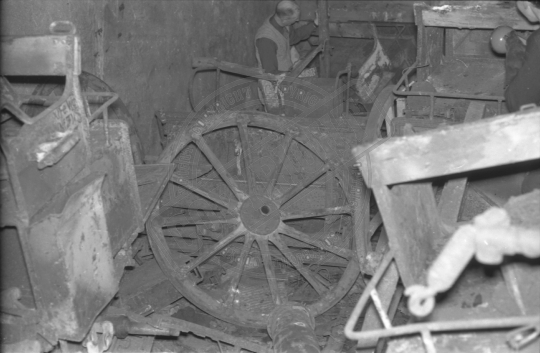
TPL_00344
St Saviour`s tunnel which is featured in many publications as 'The tunnel under the church’ is one of the largest German tunnel complexes in Guernsey. This tunnel was originally constructed as a ration store and in 1944 it was converted into a munitions store. On 9th May 1969 Richard Heaume and John Hayes explored the remains of the tunnel and its contents which had captured the interest of many collectors ever since the scrap men had left in the 1950’s.
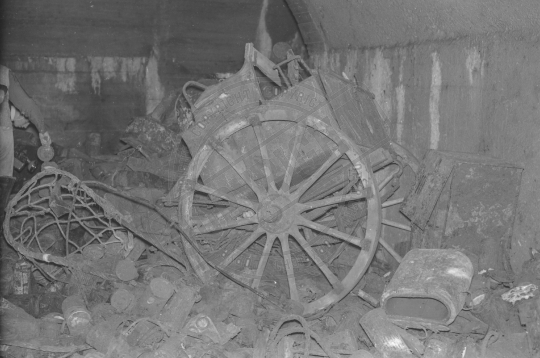
TPL_00342
St Saviour`s tunnel which is featured in many publications as 'The tunnel under the church’ is one of the largest German tunnel complexes in Guernsey. This tunnel was originally constructed as a ration store and in 1944 it was converted into a munitions store. On 9th May 1969 Richard Heaume and John Hayes explored the remains of the tunnel and its contents which had captured the interest of many collectors ever since the scrap men had left in the 1950’s.
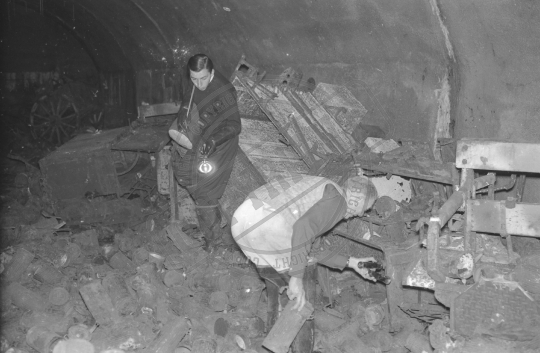
TPL_00341
St Saviour`s tunnel which is featured in many publications as 'The tunnel under the church’ is one of the largest German tunnel complexes in Guernsey. This tunnel was originally constructed as a ration store and in 1944 it was converted into a munitions store. On 9th May 1969 Richard Heaume and John Hayes explored the remains of the tunnel and its contents which had captured the interest of many collectors ever since the scrap men had left in the 1950’s.
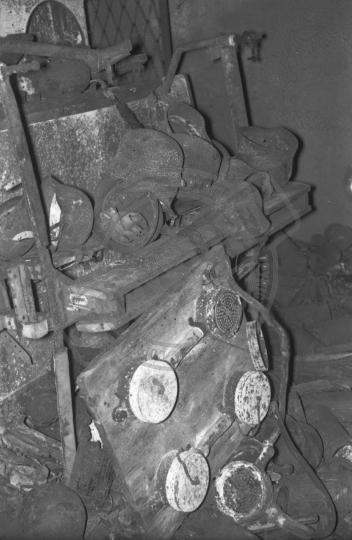
TPL_00340
St Saviour`s tunnel which is featured in many publications as 'The tunnel under the church’ is one of the largest German tunnel complexes in Guernsey. This tunnel was originally constructed as a ration store and in 1944 it was converted into a munitions store. On 9th May 1969 Richard Heaume and John Hayes explored the remains of the tunnel and its contents which had captured the interest of many collectors ever since the scrap men had left in the 1950’s.
TPL_00339
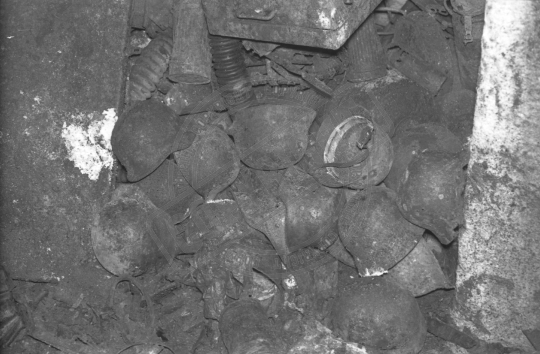
St Saviour`s tunnel which is featured in many publications as 'The tunnel under the church’ is one of the largest German tunnel complexes in Guernsey. This tunnel was originally constructed as a ration store and in 1944 it was converted into a munitions store. On 9th May 1969 Richard Heaume and John Hayes explored the remains of the tunnel and its contents which had captured the interest of many collectors ever since the scrap men had left in the 1950’s.
TPL_00338
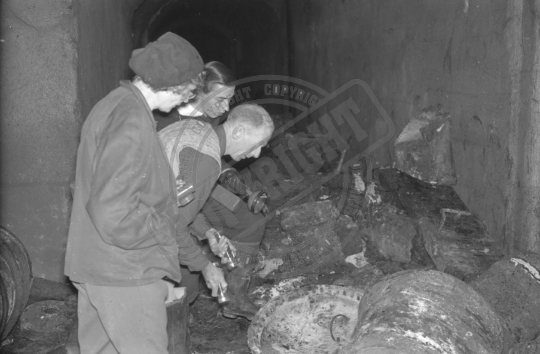
St Saviour`s tunnel which is featured in many publications as 'The tunnel under the church’ is one of the largest German tunnel complexes in Guernsey. This tunnel was originally constructed as a ration store and in 1944 it was converted into a munitions store. On 9th May 1969 Richard Heaume and John Hayes explored the remains of the tunnel and its contents which had captured the interest of many collectors ever since the scrap men had left in the 1950’s.
TPL_00337
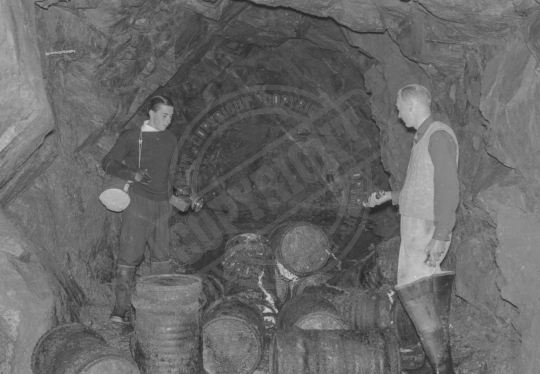
St Saviour`s tunnel which is featured in many publications as 'The tunnel under the church’ is one of the largest German tunnel complexes in Guernsey. This tunnel was originally constructed as a ration store and in 1944 it was converted into a munitions store. On 9th May 1969 Richard Heaume and John Hayes explored the remains of the tunnel and its contents which had captured the interest of many collectors ever since the scrap men had left in the 1950’s.
TPL_00336
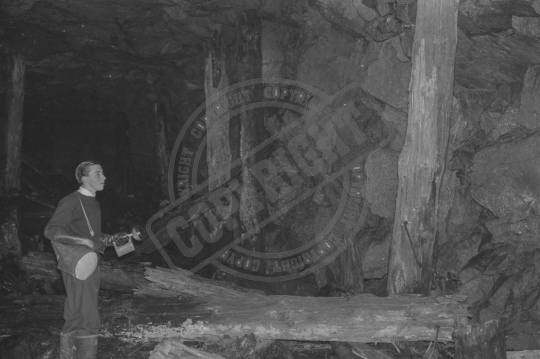
St Saviour`s tunnel which is featured in many publications as 'The tunnel under the church’ is one of the largest German tunnel complexes in Guernsey. This tunnel was originally constructed as a ration store and in 1944 it was converted into a munitions store. On 9th May 1969 Richard Heaume and John Hayes explored the remains of the tunnel and its contents which had captured the interest of many collectors ever since the scrap men had left in the 1950’s.
TPL_00335
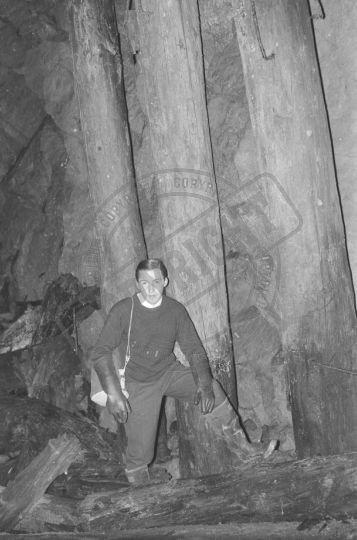
St Saviour`s tunnel which is featured in many publications as 'The tunnel under the church’ is one of the largest German tunnel complexes in Guernsey. This tunnel was originally constructed as a ration store and in 1944 it was converted into a munitions store. On 9th May 1969 Richard Heaume and John Hayes explored the remains of the tunnel and its contents which had captured the interest of many collectors ever since the scrap men had left in the 1950’s.
TPL_00334
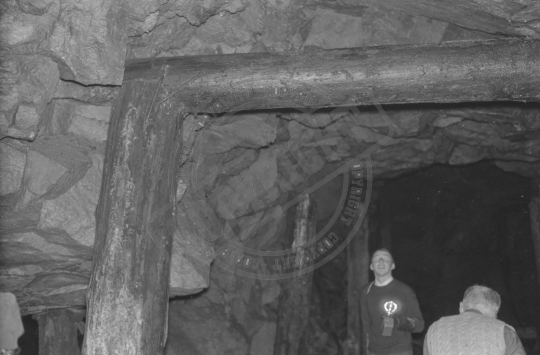
St Saviour`s tunnel which is featured in many publications as 'The tunnel under the church’ is one of the largest German tunnel complexes in Guernsey. This tunnel was originally constructed as a ration store and in 1944 it was converted into a munitions store. On 9th May 1969 Richard Heaume and John Hayes explored the remains of the tunnel and its contents which had captured the interest of many collectors ever since the scrap men had left in the 1950’s.
TPL_00333
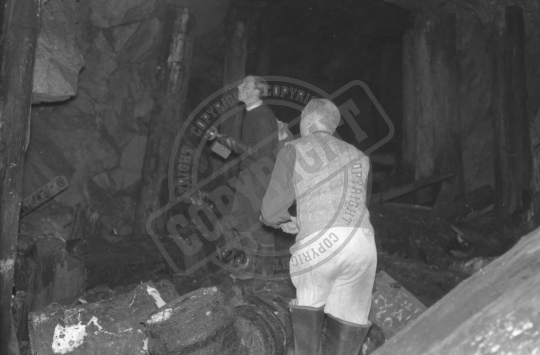
St Saviour`s tunnel which is featured in many publications as 'The tunnel under the church’ is one of the largest German tunnel complexes in Guernsey. This tunnel was originally constructed as a ration store and in 1944 it was converted into a munitions store. On 9th May 1969 Richard Heaume and John Hayes explored the remains of the tunnel and its contents which had captured the interest of many collectors ever since the scrap men had left in the 1950’s.
TPL_00332
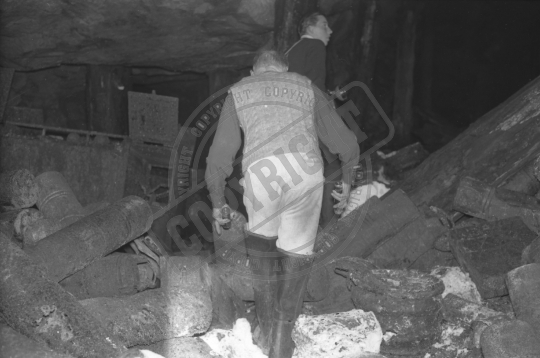
St Saviour`s tunnel which is featured in many publications as 'The tunnel under the church’ is one of the largest German tunnel complexes in Guernsey. This tunnel was originally constructed as a ration store and in 1944 it was converted into a munitions store. On 9th May 1969 Richard Heaume and John Hayes explored the remains of the tunnel and its contents which had captured the interest of many collectors ever since the scrap men had left in the 1950’s.
TPL_00331
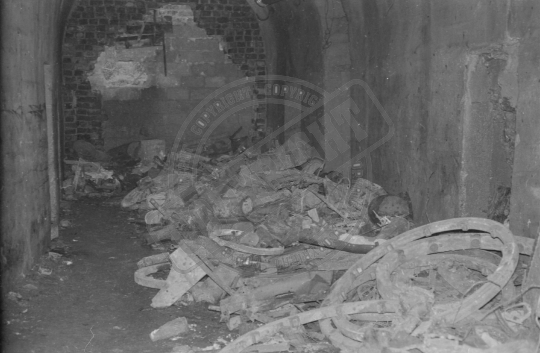
St Saviour`s tunnel which is featured in many publications as 'The tunnel under the church’ is one of the largest German tunnel complexes in Guernsey. This tunnel was originally constructed as a ration store and in 1944 it was converted into a munitions store. On 9th May 1969 Richard Heaume and John Hayes explored the remains of the tunnel and its contents which had captured the interest of many collectors ever since the scrap men had left in the 1950’s.
TPL_00330
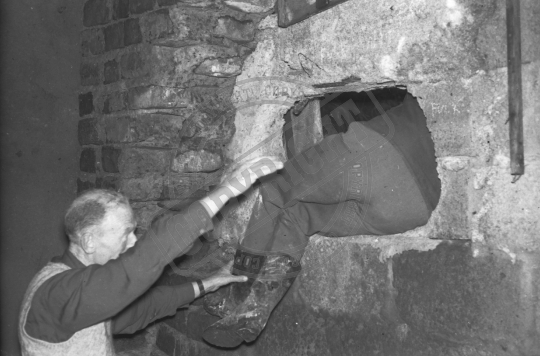
St Saviour`s tunnel which is featured in many publications as 'The tunnel under the church’ is one of the largest German tunnel complexes in Guernsey. This tunnel was originally constructed as a ration store and in 1944 it was converted into a munitions store. On 9th May 1969 Richard Heaume and John Hayes explored the remains of the tunnel and its contents which had captured the interest of many collectors ever since the scrap men had left in the 1950’s.
TPL_00329
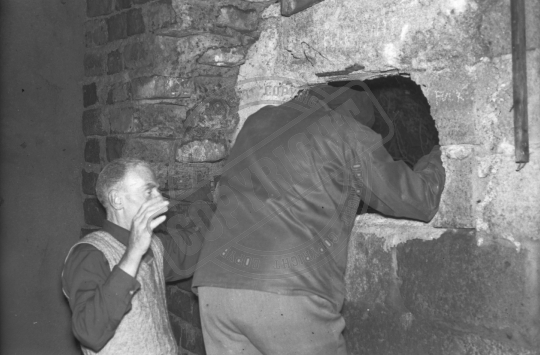
St Saviour`s tunnel which is featured in many publications as 'The tunnel under the church’ is one of the largest German tunnel complexes in Guernsey. This tunnel was originally constructed as a ration store and in 1944 it was converted into a munitions store. On 9th May 1969 Richard Heaume and John Hayes explored the remains of the tunnel and its contents which had captured the interest of many collectors ever since the scrap men had left in the 1950’s.
TPL_00154
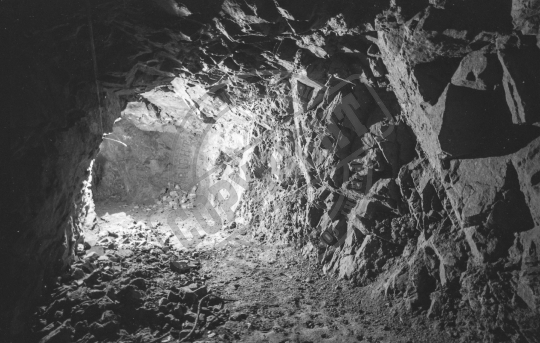
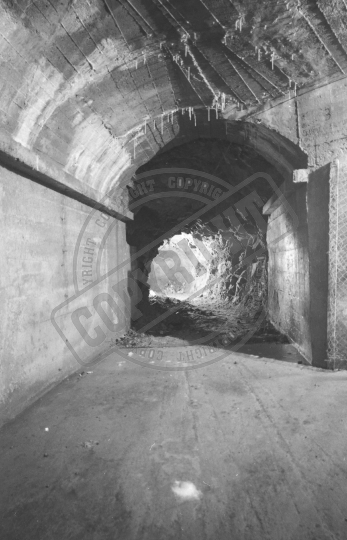
Post war photograph inside the large tunnel complex known as the German Underground Hospital in St Andrews showing the unlined section of the tunnel.
TPL_00153
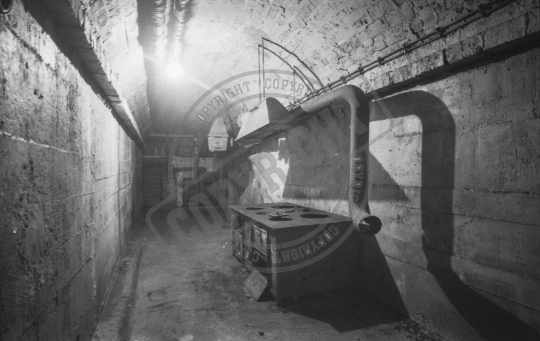
Post war photograph inside the large tunnel complex known as the German Underground Hospital in St Andrews. This section shows the lined to unlined junction of the tunnel.
TPL_00152
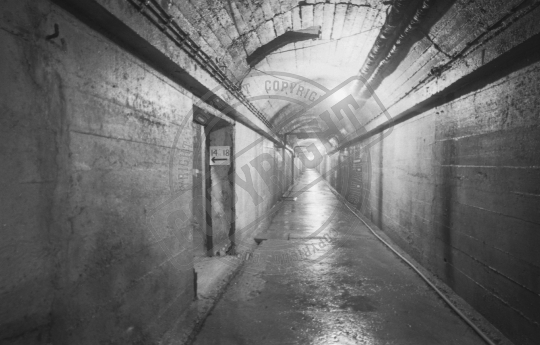
Post war photograph inside the large tunnel complex known as the German Underground Hospital in St Andrews. The stove and heating equipment can be seen.
TPL_00151
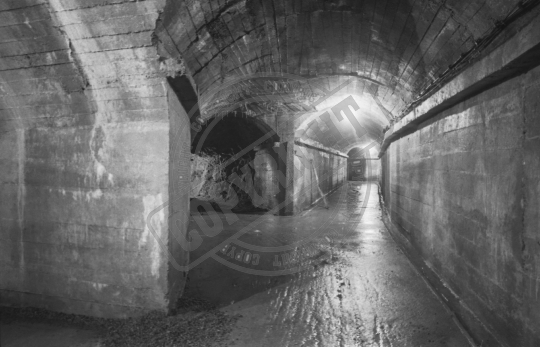
Post war photograph inside the large tunnel complex known as the German Underground Hospital in St Andrews.
TPL_00150
Post war photograph inside the large tunnel complex known as the German Underground Hospital in St Andrews.
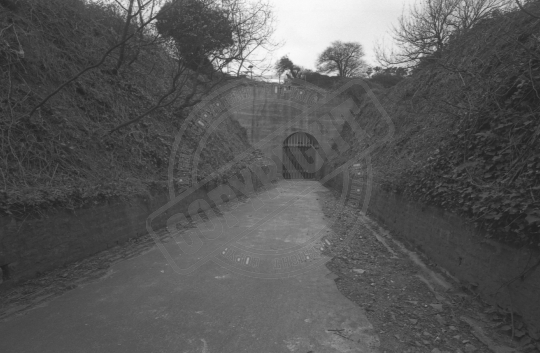
TPL_00148
Post war photograph of the tunnel entrance to HO.7/40 better known as the German Underground Hospital in St Andrews.
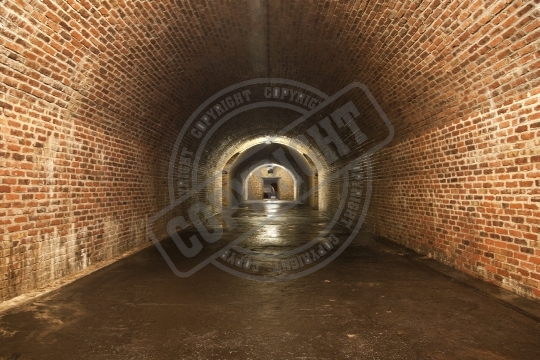
SP_0013
During the Occupation the German forces excavated numerous tunnels in Guernsey, these were used for various purposes and many still survive today. This is one of the brick lined ammunition storage chambers in the Underground Hospital known as Ho.7 with the central link gallery visible. Note the bitumen floor covering of this chambers so that hobnailed boots would not create unwanted sparks.
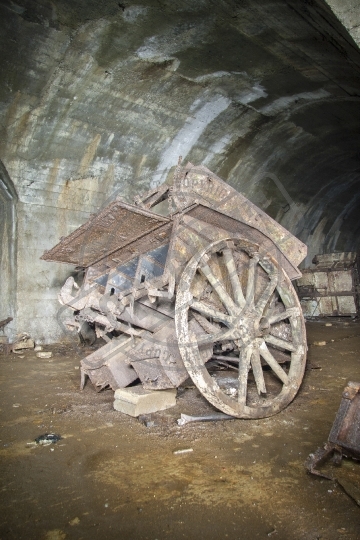
SP_0011
During the Occupation the German forces excavated numerous tunnels in Guernsey, these were used for various purposes and many still survive today. Here we see one of the only remaining limbers with a wooden wheel almost fully intact.
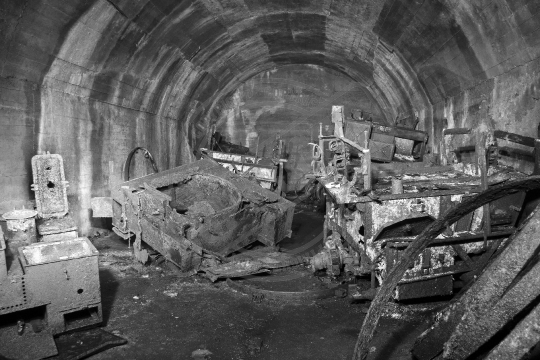
SP_0010
During the Occupation the German forces excavated numerous tunnels in Guernsey, these were used for various purposes and many still survive today. Here we see a surviving concrete lined chamber within one of the larger tunnel complexes with various limbers and field kitchens still in place today.
SP_0008
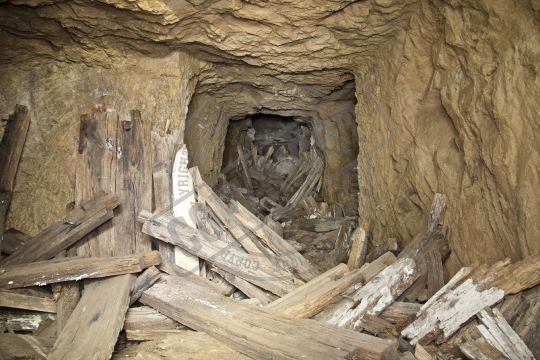
During the Occupation the German forces excavated numerous tunnels including this unlined one in Alderney. Here we can see the remaining timber from the collapsed lining mixed with fallen rubble. Several of the small storage chambers of this small complex can be seen on both sides. This highlights the dangers of exploring unlined tunnels.
SP_0007
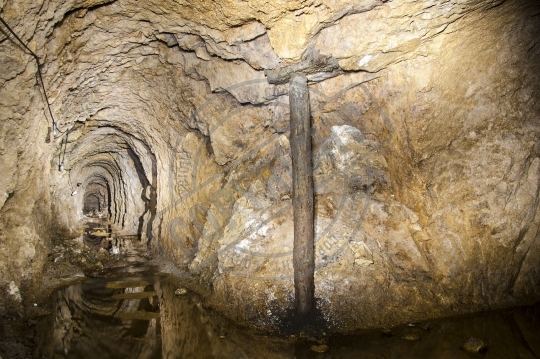
During the Occupation the German forces excavated numerous tunnels in Guernsey, these were used for various purposes and many still survive today. Here we see a 'pit prop’ in an unlined tunnel complex, one of the only standing examples that survive today. The indentations from the sleepers of the 60cm railway track which services the tunnel are also visible.
SP_0006
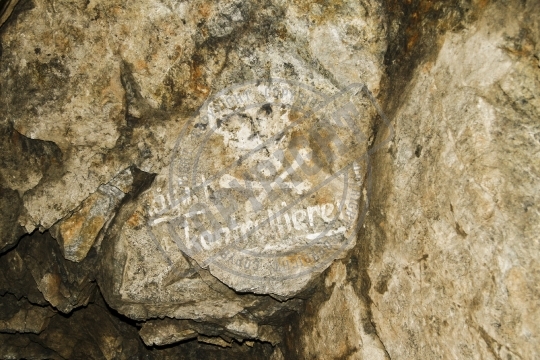
During the Occupation the German forces excavated numerous tunnels in Guernsey, these were used for various purposes and many still survive today. This curious 'rock painting’ inside the central entrance of an unlined tunnel complex reads Täglich kontrollieren, translated as Monitor (or Examine) daily.
OA_033
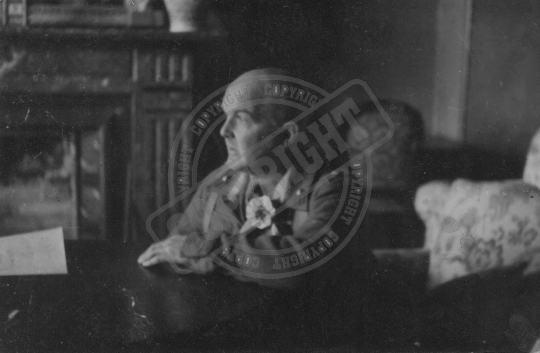
Guernsey, 9th May 1945. Colonel H. R. Power, OBE, MC (late Glosters), Chief civil affairs Officer (CCAO), No. 20 Civil Affairs Unit, HQ Guernsey, Force 135.
TPL_00351
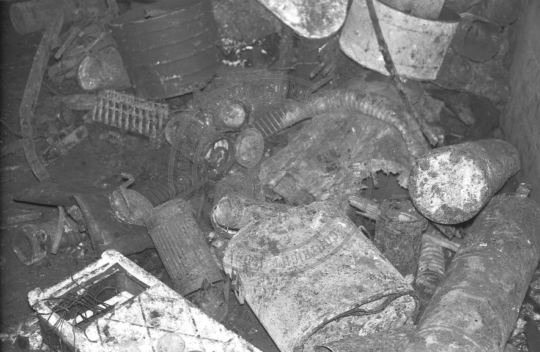
St Saviour`s tunnel which is featured in many publications as 'The tunnel under the church’ is one of the largest German tunnel complexes in Guernsey. This tunnel was originally constructed as a ration store and in 1944 it was converted into a munitions store. On 9th May 1969 Richard Heaume and John Hayes explored the remains of the tunnel and its contents which had captured the interest of many collectors ever since the scrap men had left in the 1950’s.
TPL_00349
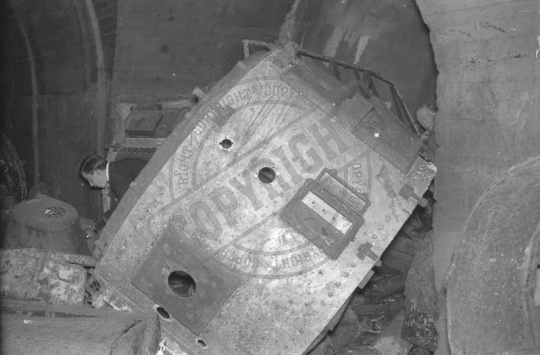
St Saviour`s tunnel which is featured in many publications as 'The tunnel under the church’ is one of the largest German tunnel complexes in Guernsey. This tunnel was originally constructed as a ration store and in 1944 it was converted into a munitions store. On 9th May 1969 Richard Heaume and John Hayes explored the remains of the tunnel and its contents which had captured the interest of many collectors ever since the scrap men had left in the 1950’s.
TPL_00371
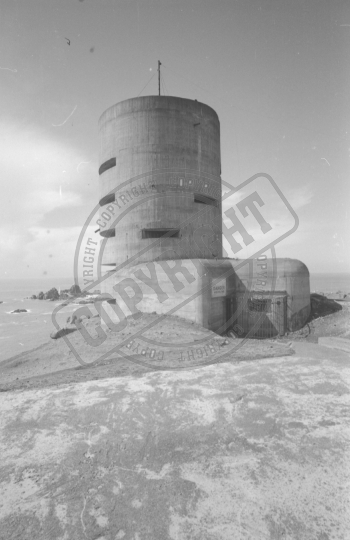
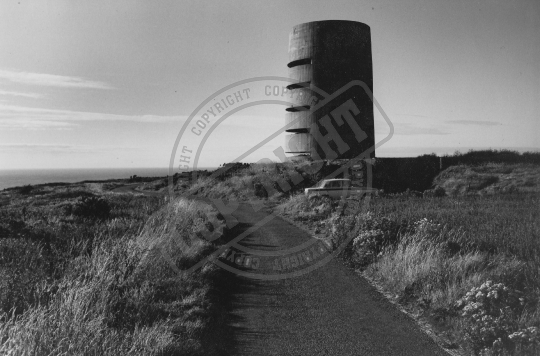
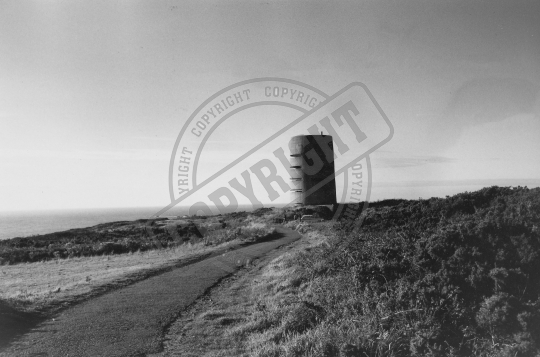
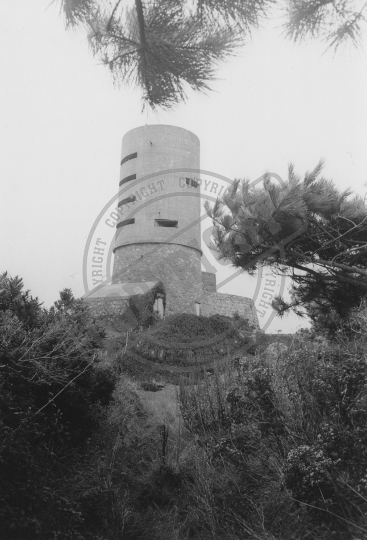
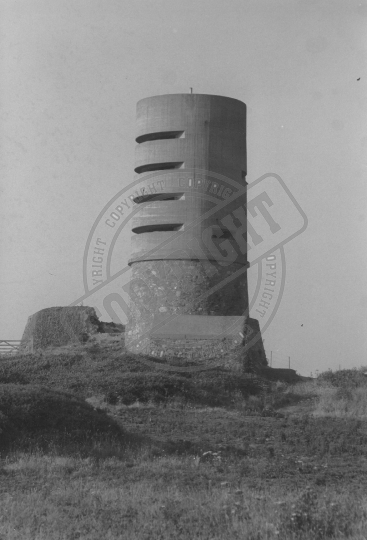
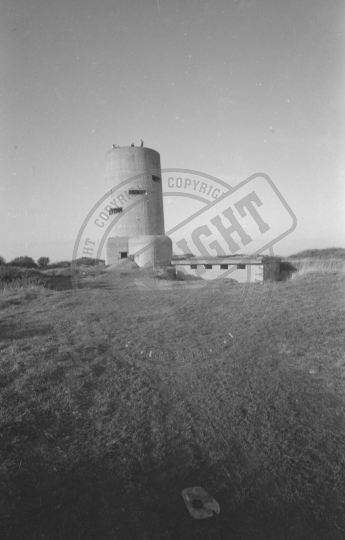
Post war photograph of the direction finding tower MP2 at La Corbiere, Jersey. The tower was constructed in reinforced concrete and camouflaged to look like it was constructed in stonework in an effort to resemble one of the many Napoleonic period towers that were sited around Jersey.
TPL_00140
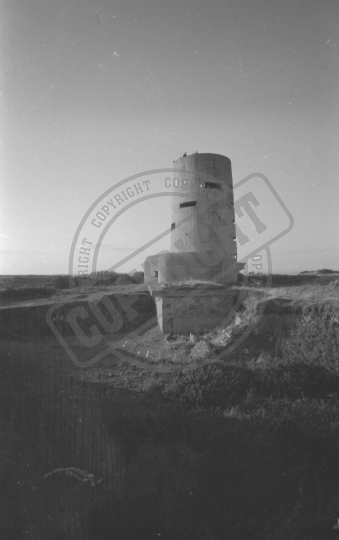
Post war photograph of naval direction finding tower MP1 at Chouet which fell into the quarry in 1991.
TPL_00139
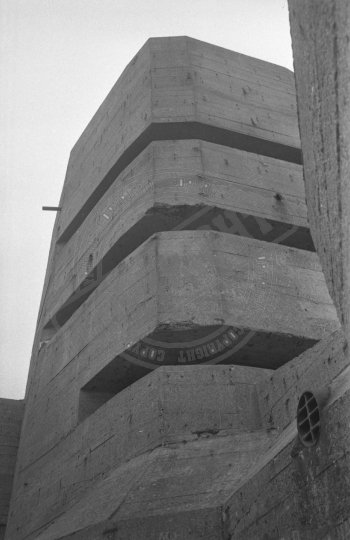
Post war photograph of naval direction finding tower MP1 at Chouet which fell into the quarry in 1991.
SP_0020
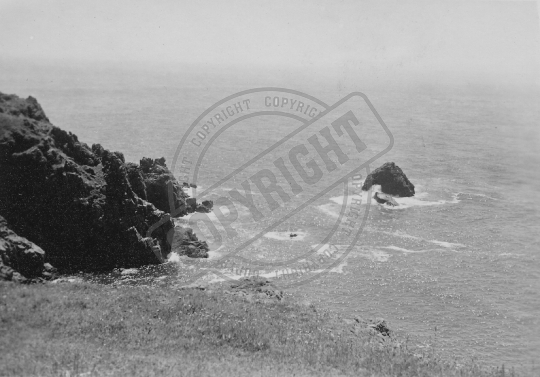
Typical of many albums, be they tourist or occupying forces, a scenic view of the cliffs and rocks of Guernsey’s south coast. Seen here is L’Angle with Tas de Pois d’Aval (Gull Rock) seen right taken c.1941, prior to the building of the tower MP4 and the German coastal artillery battery of Batterie Dollman. This Photograph is from a small collection of six taken by an unknown German soldier posted to Guernsey in 1941 with 319 Infantry Division.
TPL_00262
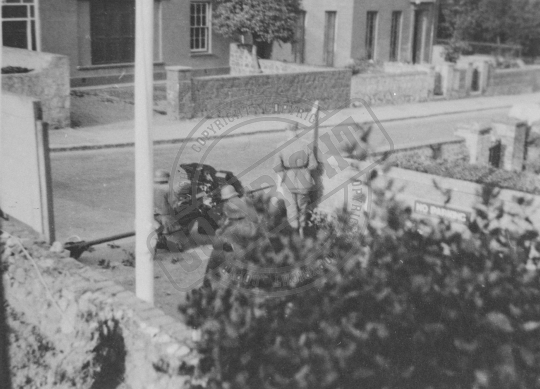
Germans man a 3.7cm Pak anti-tank gun in the entrance to the St Johns Ambulance Station located at the top of the Rohais, St Peter Port. At great risk this was photographed by Reg Blanchford.
TPL_00084
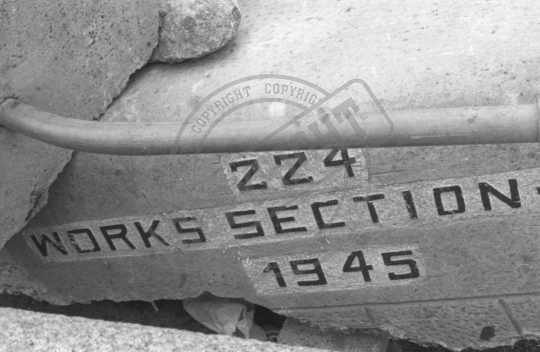
Section of concrete inscribed by the British Army with '224 Works Section RE 1945' located at St Peter Port harbour. Note RE is an abbreviation for Royal Engineers.
TPL_00083
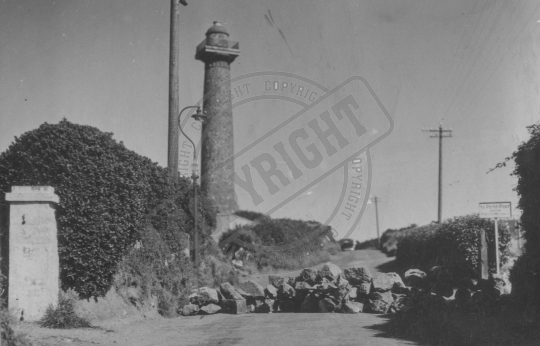
Doyle Monument, Jerbourg. The road approaching is blocked by boulders placed by Commandos during Operation Ambassador in July 1940.
SP_0016
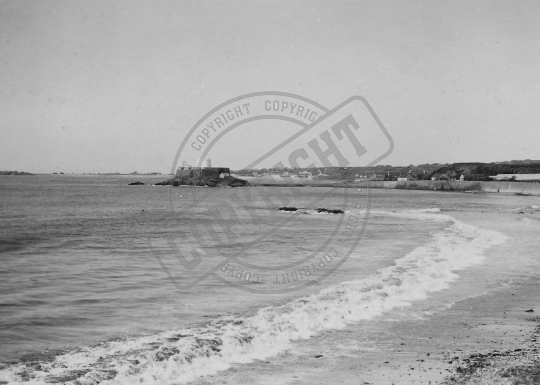
Photographed from the vicinity of the Imperial hotel on 8th June 1941, this view of Rocquaine Bay shows its most obvious feature, Fort Grey. Known to locals as the 'Cup and Saucer’ an interesting feature is the Martello Tower painted white as this was subsequently camouflaged by the Germans. This Photograph is from a small collection of six taken by an unknown German soldier posted to Guernsey in 1941 with 319 Infantry Division.
TPL_00263
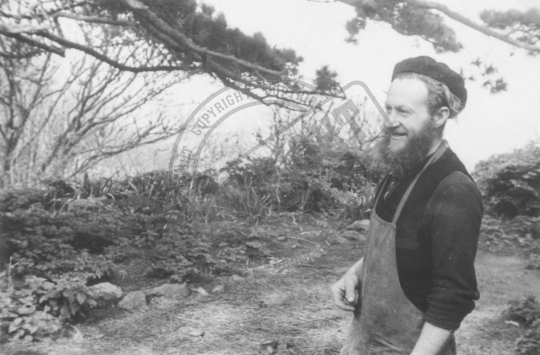
Mr F.M Dickson who was caretaker in Herm during the Occupation, the Germans referred to him as Robinson Crusoe.
TPL_00085
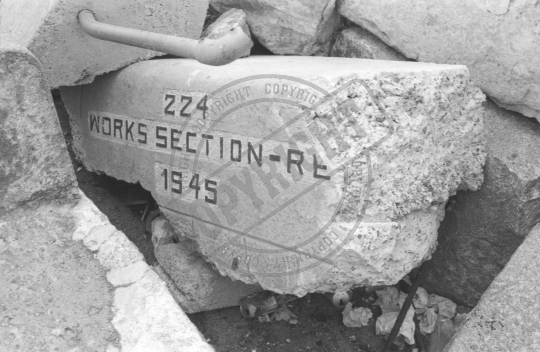
Section of concrete inscribed by the British Army with '224 Works Section RE 1945' located at St Peter Port harbour. Note RE is an abbreviation for Royal Engineers.
TPL_00276
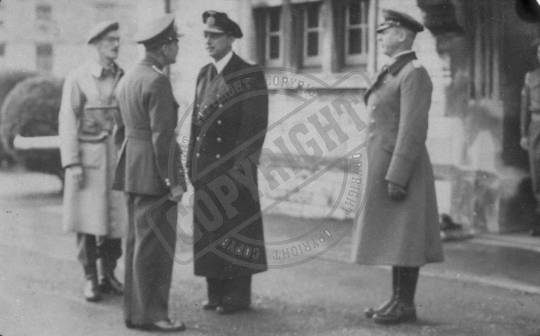
Vizeadmiral Fredrich Hueffmeir and Generalmajor Rudolf Wulf are seen here after the German surrender when they arrived in Plymouth on 12th May 1945.